
The National Employees Union of South Sudan (NEUSS) has joined a legal challenge against the government’s implementation of the National Social Insurance Fund (NSIF), raising concerns over how workers’ contributions will be managed and how their future benefits will be protected.
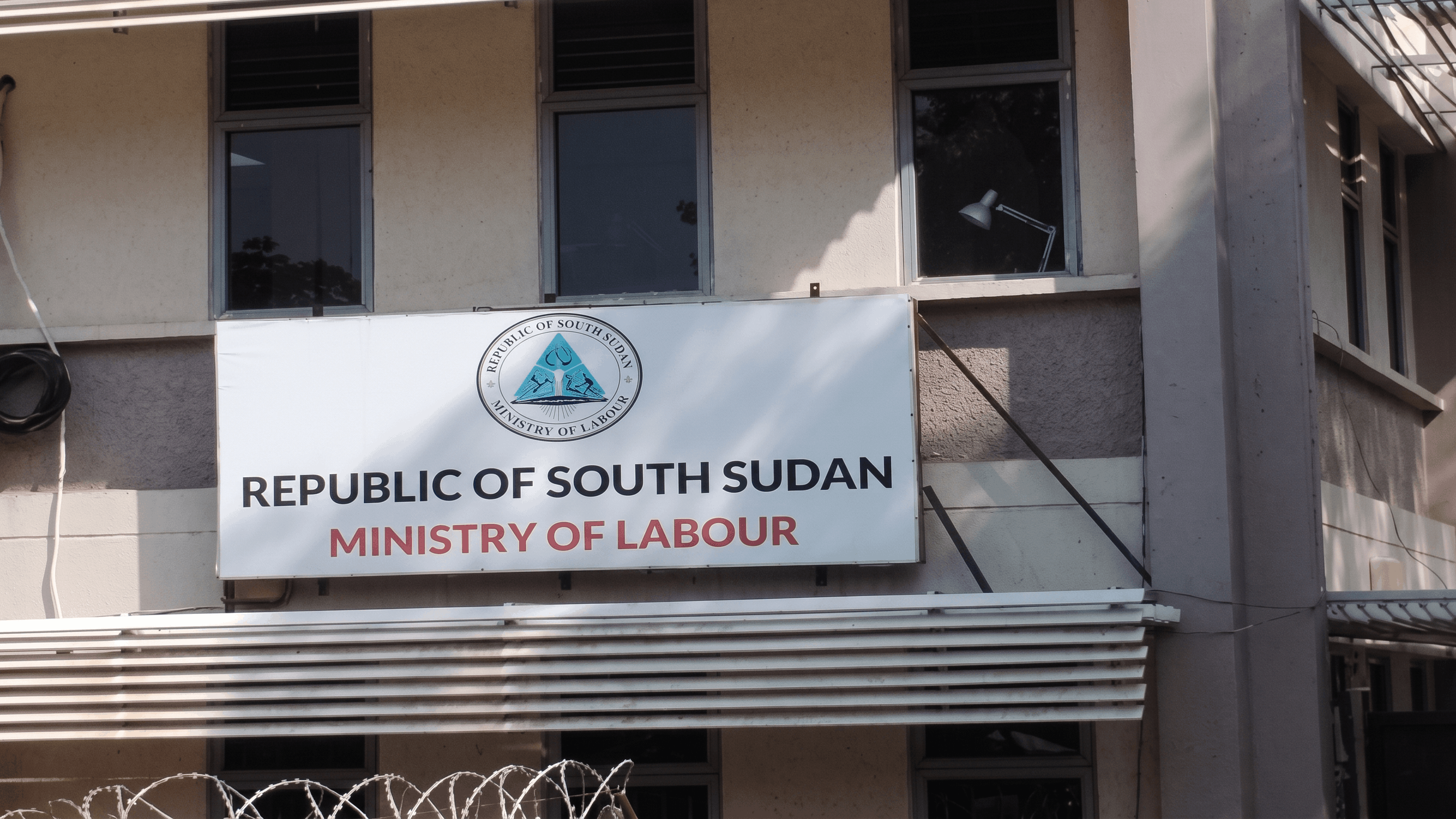
NEUSS has filed a rejoinder application at the Court of Appeal challenging Ministry of Labour Public Circular No. 5 of 2026, which requires employers to remit social insurance contributions directly to the NSIF.
The case comes as the Fund prepares to begin registering employers and workers on October 1, 2026, with penalties expected to apply after a three-month registration period.
NEUSS says its challenge is not against the establishment of a national social insurance system. Instead, the union says workers want a system backed by clear laws, policies and safeguards to ensure that money deducted from their salaries is properly managed and that they can access their benefits when they become due.
The concerns come amid questions from workers’ representatives about whether the necessary governance and administrative structures were sufficiently established before compulsory contributions began.
Oil-sector unions had previously raised similar concerns, arguing that the implementation process had not met what they considered key requirements of the NSIF Act 2023. They said they supported social insurance in principle but wanted adequate governance, transparency and stakeholder consultation before implementation.
The NSIF Act establishes the Fund as an autonomous institution responsible for social security administration. It provides for benefits including retirement income, disability protection and support for dependants in cases of death.
Workers’ representatives have questioned the practical safeguards surrounding the collection, investment and payment of contributions, particularly as the government moves to transfer responsibility for managing workers’ social insurance savings from individual employers to the national Fund.
Under the previous arrangement, employers were allowed to retain and manage social insurance contributions internally. Circular No. 5/2026 revoked that arrangement and directed employers to remit contributions directly to the NSIF.
The NSIF says it will collect contributions and provide financial protection to workers and their families through retirement, disability and survivor benefits.
However, NEUSS argues that workers need greater clarity on the rules governing their contributions and benefits, including how their money will be accounted for, managed and ultimately paid back to them.
The Fund says it has since approved a number of operational and governance documents, including the NSIF Regulation 2026, Corporate Governance Policy, Financial Policy, Procurement Policy, Code of Conduct and Ethics, Board Charter and Human Resource Policy Manual.
The timing of those measures has nevertheless become part of the wider debate over whether the system was sufficiently prepared before compulsory deductions and remittances were ordered.
NEUSS is asking the Court of Appeal to examine Circular No. 5 of 2026 against the NSIF Act and other applicable legal principles.
The union is also asking the court, where legally appropriate, to nullify the 2026 circular and reinstate Circular No. 3 of 2010.
The case follows an earlier legal challenge filed by unions representing workers in South Sudan’s oil sector.
NEUSS says it previously attempted to resolve its concerns through dialogue with the Ministry of Labour but did not reach what it considered a meaningful resolution.
The union has urged workers and private-sector institutions to remain calm while the court considers the matter.
The dispute comes as the government moves to expand the NSIF to private-sector workers, NGO employees, diplomatic missions and other covered workers across South Sudan.
For workers, the central question is increasingly not whether social insurance should exist, but whether the systems, policies and safeguards are sufficiently clear to guarantee that workers’ contributions will be transparently managed and that their benefits will be protected and paid when they become due.