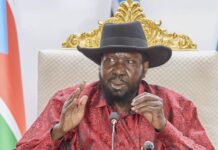
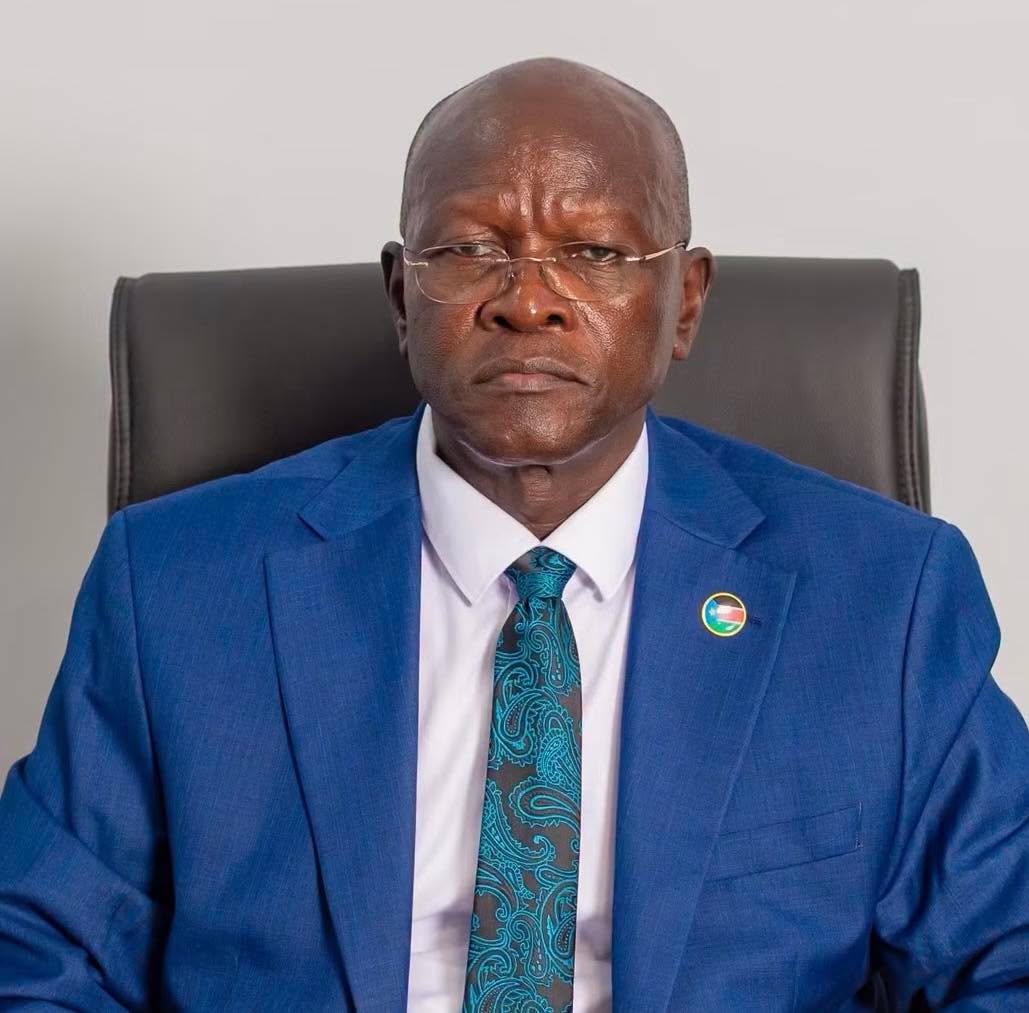
The Office of the Speaker of the Transitional National Legislative Assembly (TNLA), Rt. Hon. Joseph Ngere Paciko, has withdrawn its recent directive requiring media organizations to use designated official portraits when reporting on the Speaker or the Office of the Speaker.
In a statement issued on Thursday, the Speaker’s Office said the decision followed concerns raised by media stakeholders regarding editorial independence and press freedom.
“Following feedback from media stakeholders on editorial independence and access, and after assessing the impact of standardized portrait use on press freedom and public discourse, the Office directed the withdrawal of the circulated portraits,” the statement said.
The Office explained that the portraits had initially been issued to standardize the visual representation of the Speaker across government, media, and public platforms and to address cases of misrepresentation.
According to the statement, the move was prompted by the repeated use of poor-quality, low-resolution, or distorted images of the Speaker in news reports, social media posts, and official communications, which the Office said undermined the dignity of the institution.
The directive, which was issued on Wednesday, instructed media organizations to use specific portraits when covering the Speaker and the Office of the Speaker. However, the move sparked criticism from journalists, media practitioners, and advocacy groups, who argued that it could interfere with editorial independence.
In response to the concerns, the Speaker’s Office said it remains committed to constructive engagement with media stakeholders and is open to dialogue with the Association for Media Development in South Sudan (AMDISS), the Union of Journalists of South Sudan (UJOSS), and individual media houses.
AMDISS welcomed the withdrawal of the directive, describing it as a positive step toward protecting press freedom and upholding editorial independence.
“This decision by the Office of the Speaker of the TNLA is a positive move towards protecting press freedom and upholding editorial independence,” AMDISS said in a statement.
The organization added that it remains committed to fostering open dialogue and collaboration that promotes democracy, transparency, and respect for media freedoms in South Sudan.
Media advocates have also pointed to Article 24 of the Transitional Constitution of South Sudan, which guarantees freedom of expression, freedom of the press, and access to information, as key principles that should guide relations between public institutions and the media.
The development marks a swift reversal of the earlier directive and has been welcomed by journalists and media rights organizations as an example of constructive engagement between government institutions and the media fraternity.