
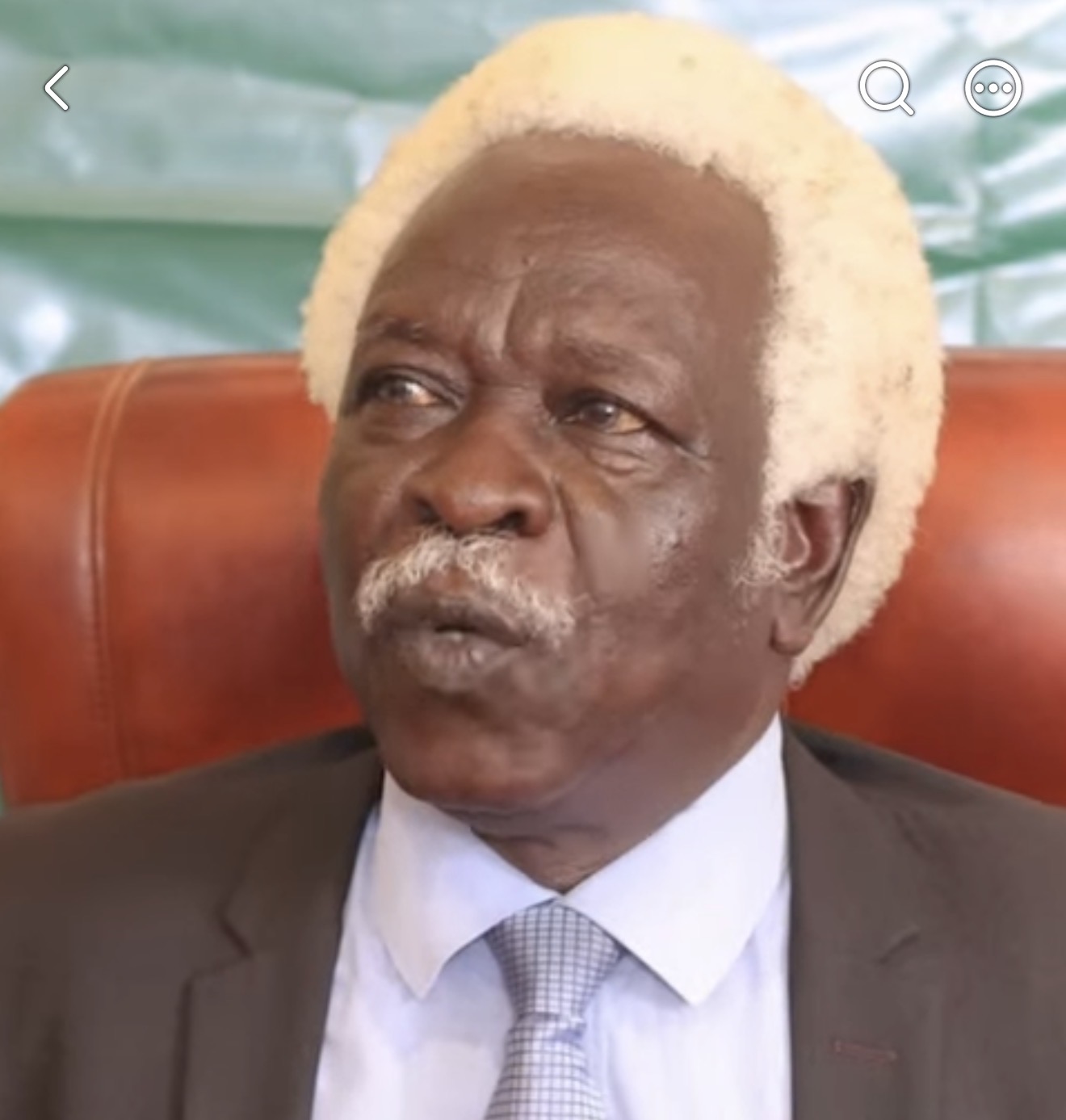
Source CRN- Chairperson of the National Alliance of Political Parties and presidential candidate Kornelio Kon Ngu has questioned the composition of South Sudan’s caretaker government, arguing that some ministers from the dissolved transitional administration should not have been retained.
Kon Ngu said his concern was not President Salva Kiir’s decision to dissolve the Transitional Government of National Unity, but the appointment of several officials who had served in the previous administration to continue in the caretaker government.
President Kiir dissolved the transitional government and relieved its ministers and other officials before appointing a caretaker administration to run government affairs during the electoral period and until an elected government takes office.
“If you are talking about a caretaker government, you bring in people who were not part of the system to take care of the government until the elections are conducted and a new government comes in,” Kon Ngu said.
He argued that the caretaker administration should have been composed of individuals who were not part of the previous government or political system.
“The President should not appoint the same ministers who have been working with him. He should appoint people who have not been in the system to lead the government until the results of the elections,” he said.
Kon Ngu said retaining ministers from the dissolved government does not, in his view, provide the change he believes is necessary as the country moves toward an elected government.
The presidential candidate has also questioned the timing and purpose of the Inter-Party Dialogue, scheduled to take place from September 24 to October 7, 2026.
Kon Ngu argued that the dialogue should have been held immediately after the dissolution of the transitional government and before the caretaker administration was established.
“The dialogue should have been done before, after the government was dissolved. Now the country has entered a new chapter, which is the election,” he said.
He questioned what the planned dialogue would achieve now that political parties and the country are entering an election-focused period.
The comments come as South Sudan prepares for its scheduled general elections, with political parties and electoral institutions shifting their focus toward the electoral process.