
As South Sudan marked the 43rd anniversary of the Sudan People’s Liberation Army/Movement (SPLA/M) on 16 May, attention was not only placed on the founding commanders of the liberation struggle but also on veterans whose sacrifices shaped the country’s journey to independence.
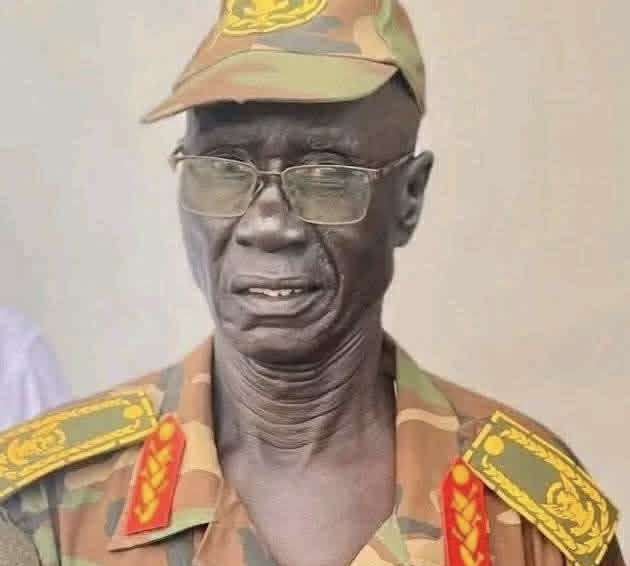
Among those recognized by President Salva Kiir Mayardit during the SPLA Day celebration was veteran William Deng Garang, a liberation figure remembered for his contribution to the struggle that eventually led to the birth of South Sudan.
William Deng Garang’s story traces back to the early days of the armed movement in 1983, when tensions escalated within the Sudanese Armed Forces following growing dissatisfaction among southern officers and soldiers.
During that period, several military officers abandoned their positions and joined what later became the SPLA. Historical accounts place President Salva Kiir among officers operating in Malakal during the early stages of the rebellion. The broader mutinies and defections eventually became the foundation of the liberation movement.
Accounts of the liberation struggle indicate that Salva Kiir and fellow officers in Malakal left the Sudanese military establishment and joined the emerging movement that had begun taking shape after the uprisings in Bor and Ayod.
Officer William Deng left Malakal alongside General Salva Kiir Mayardit in a Jeep vehicle. According to President Kiir’s account during the celebration, Deng advised that the vehicle be pushed into the River Nile to prevent Sudanese Arab soldiers from using it to pursue them. The two agreed, and the vehicle was abandoned as they continued their journey into the liberation struggle.
During the SPLA Day celebration, many people cheered and applauded as William Deng was publicly recognized for his contribution. Others shared his photographs on social media, acknowledging his role in the liberation movement and his participation during the early years of the struggle.
However, some citizens also raised questions about his status and the benefits he may have received following South Sudan’s independence. Discussions online reflected uncertainty about his present role and assignment within the military, with many expressing interests in understanding how veterans such as William Deng have been recognized and supported after their sacrifices during the liberation era.
William Deng Garang a native of Malakal from Chollo Kingdom like many other liberators became part of a generation that left behind the certainty of military service and entered an uncertain future in pursuit of political change and liberation.
The movement grew into a force that fought for more than two decades and eventually led South Sudan to independence in 2011.
During this year’s SPLA Day celebration, President Salva Kiir’s recognition of veteran fighters reflected an effort to honor those who served behind the frontlines and alongside the movement’s better-known commanders.
The recognition served as a reminder that the history of South Sudan’s liberation was shaped not only by top leaders but also by thousands of soldiers and veterans whose contributions often remained less visible.
As South Sudan continues reflecting on the legacy of the liberation struggle, stories of veterans such as William Deng Garang remain part of the country’s collective memory, representing sacrifice, resilience, and commitment during one of the most defining chapters in the nation’s history.
Editor’s note: Publicly available historical records on William Deng Garang’s specific military role remain limited, and some details of individual participation in the early stages of the SPLA struggle are preserved primarily through oral and veteran accounts.