UN Women is calling on South Sudanese journalists to take a frontline role in raising women’s voices and combating gender-based violence (GBV), especially in the rapidly expanding digital space.
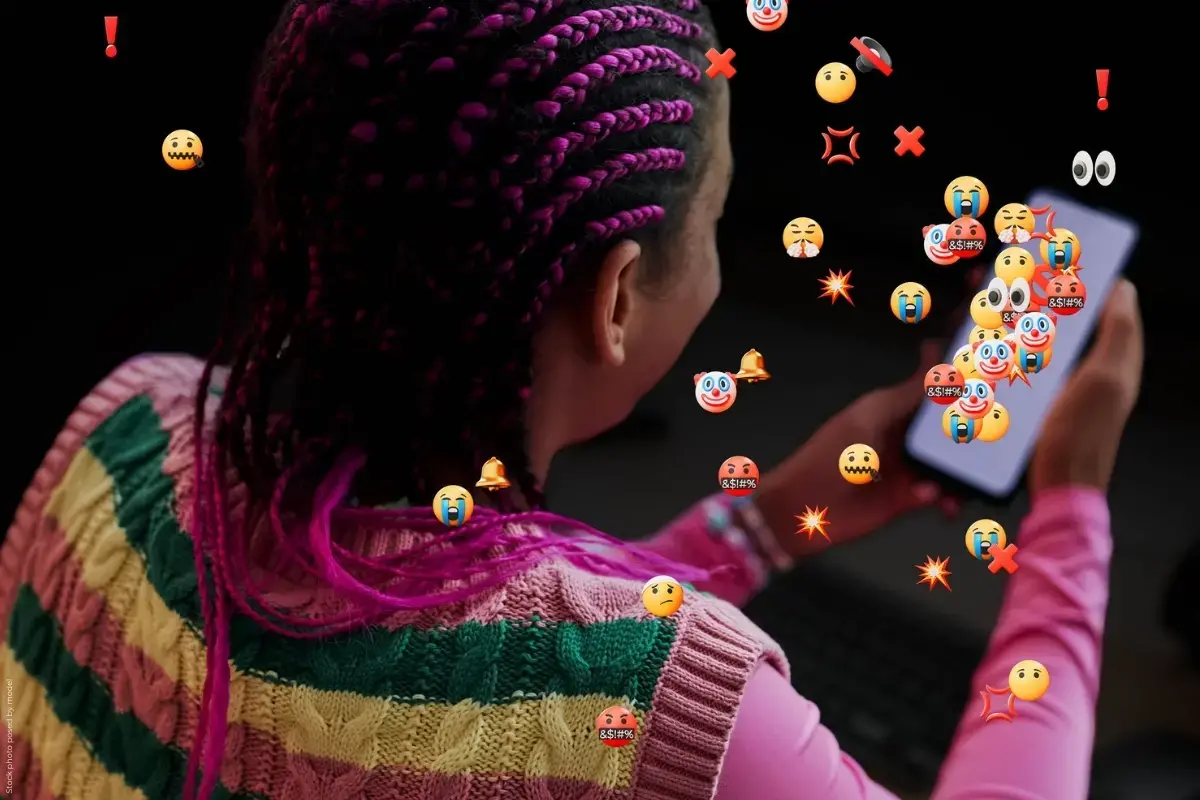
The appeal was delivered during a media engagement held as part of the global 16 Days of Activism Against Gender-Based Violence campaign, under the theme “Unite to End Digital Violence Against All Women and Girls.”
UN Women Country Representative Delphine Serumaga emphasized that the media holds enormous power to shape mindsets, influence public discourse, and promote equality.
“The media is an influential pillar of society,” Serumaga said. “We urge you to ensure that women’s voices are not silenced, humiliated, or defamed. Use your platforms to amplify the seriousness of gender-based violence against women and girls in South Sudan.”
She noted that empowering women and girls is critical to the nation’s future, particularly as South Sudan has one of the world’s youngest populations—with a median age of 18. Yet the country faces one of the highest rates of GBV in East Africa: 41% of women report experiencing intimate partner violence, though the real figure is believed to be far higher due to underreporting.
“This reality shows why collective action is urgent,” Serumaga stressed. “Women and girls must be at the heart of building South Sudan’s future.”
The engagement outlined UN Women’s ongoing partnerships with government institutions, civil society, and international donors to advance gender equality and women’s empowerment.
These efforts include supporting a gender-responsive constitution-making process, backed by the Government of Norway and the UN Peacebuilding Fund, and advocating for the full implementation of the 35% quota for women in political leadership.
UN Women is also strengthening women’s participation in peacebuilding, climate action, and governance through the South Sudan Gender Observatory and the Youth Climate Action Mechanism, working closely with key ministries and the Women’s Parliamentary Caucus.
Serumaga applauded the growing Women’s Movement, which mobilized more than 200 women-led organizations nationwide in 2025, contributing significantly to South Sudan’s latest CEDAW and Beijing+30 reports.
“These achievements provide a foundation for the next phase of progress,” she said. “We call on the media to understand and promote the legal and policy frameworks that protect women’s rights and advance equality.”
She urged journalists to actively hold institutions accountable and to promote peace, inclusion, and development.
“You are partners in shaping narratives and ensuring women’s voices are heard,” she said. “We call for the approval of the National Action Plan on Women, Peace and Security, the Anti-GBV Bill, and the Women Empowerment Bill—as well as increased investment in women’s economic empowerment.”
Currently, only 26% of women in South Sudan participate in the labor force, compared to 54% of men, and women continue to earn 30% less than men in similar roles.
“Transforming this reality is essential for peace, prosperity, and equality,” Serumaga emphasized. “Above all, we must continue to call for peace—because peace is the foundation of all progress, and women are central to achieving and sustaining it.”
UN Women reaffirmed its commitment to working with government, civil society, international partners, and the media to build a peaceful, inclusive, and gender-equal South Sudan where every woman and girl can thrive free from violence and discrimination.