
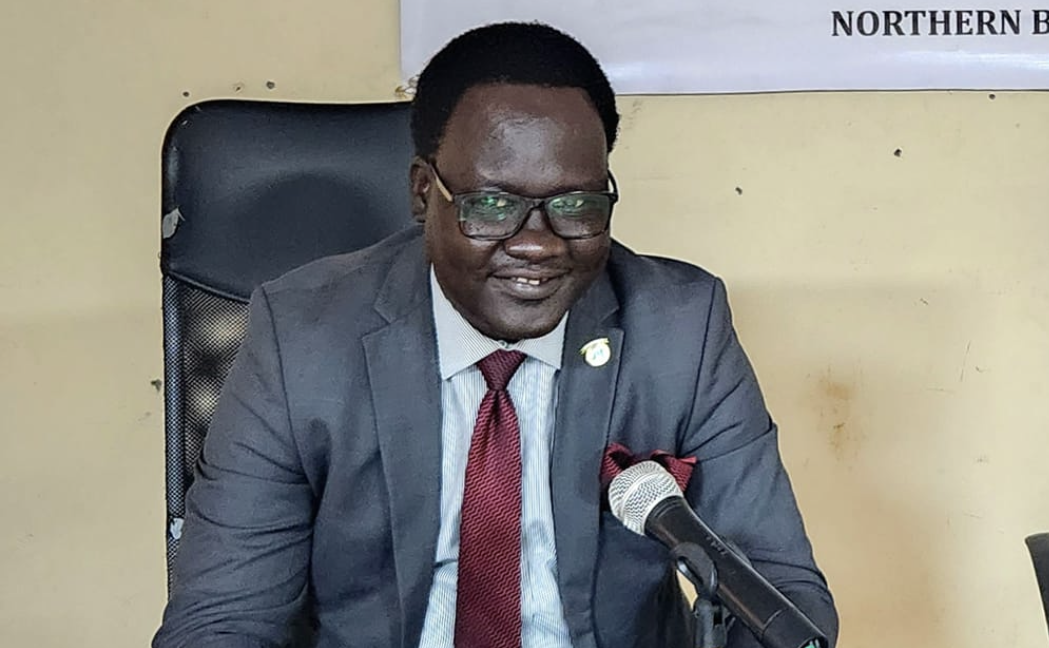
By Hon Malek Cook-Dwach, (PhD Candidate), MP, TNLA
Traditional myths are stories passed down from generation to generation to preserve the natural heritage, values, and social order, often through supernatural beings, ancestors, gods, or spirits. Understanding it from this perspective provides a distinctive insight into how it could be applied in current politics.
Traditional myths have misled and contributed negatively to how South Sudan politics is being played by some ethnic groups, hitherto, ignoring the reality of science. The whole scenario is what I call (deliberate disillusionment of higher order).
The people have been trapped and scammed on these fake beliefs of Ngundengism, DengDitism, Nyikangism, Manguism (witchcrafts), and others (Isms) by a few learned elites who practice and master the art of deceit to manipulate and thrive in the society’s ignorance to achieve their narrow personal gains/interests.
Traditional beliefs played pivotal role when not misused or politicized, they have significant important and value in societies. Their strengths lie purposedly in social cohesion, morale guidance and cultural continuity. These are the core values in which they should be adhered to. Attempting to deviate from this illustration disqualifies the intended purpose or otherwise.
Traditional beliefs can be of good use and reshape a constructive role in politics when they are not exploited for power, exclusion, or violence, when their positive contributions lie in values, legitimacy, and social ethics, not domination.
The extremism derived from these traditional beliefs in the South Sudan political context is beyond description. It is so dangerous to the point that people are made blind, forgetting their own existence, for then the manufactured lies continue and persist for so long unchallenged.
Politics as a science is rooted in reason, evidence, and systematic analysis. It is guided by interests. Political authority is derived from constitutions, elections, laws, or social contracts. as the old adage says “No permanent enemy, no permanent friend “it is where actors/players pursue power, security, and survival.
Politics is emphasized by ideology or personal loyalty compared to traditional beliefs that derive their authority from ancestors, the divine will, or sacred traditions that emphasize kinship, and friendship is sealed through rituals and blood ties.
The two have distinctive viewpoints when settling clashes: Political pragmatism demands reconciliation; meanwhile, traditional beliefs demand remembrance and justice.
Politics and traditional myths played a distinctive and important role in society. Politics is structured with the rational organization of power, governance, and the management of public affairs in response to changing realities. Traditional myths, on the other hand, preserve cultural identity, moral values, and collective memory.
Conflict arises when myths are elevated from cultural narratives into tools of political authority, where they can be manipulated to justify exclusion, resist reform, or legitimize power without accountability. A civilized society respects traditional myths as sources of cultural meaning while ensuring that politics remains grounded in law. Reason and the public interest.
When each is confined to its proper space, politics can govern successfully and inclusively, and traditional myths can continue to embody social cohesion without overstepping democratic governance.
The views expressed in this article are my own and do not necessarily reflect those of the institution I serve The Author can be reached through: malekcook75@gmail.com Whatsapp: +254758552245