
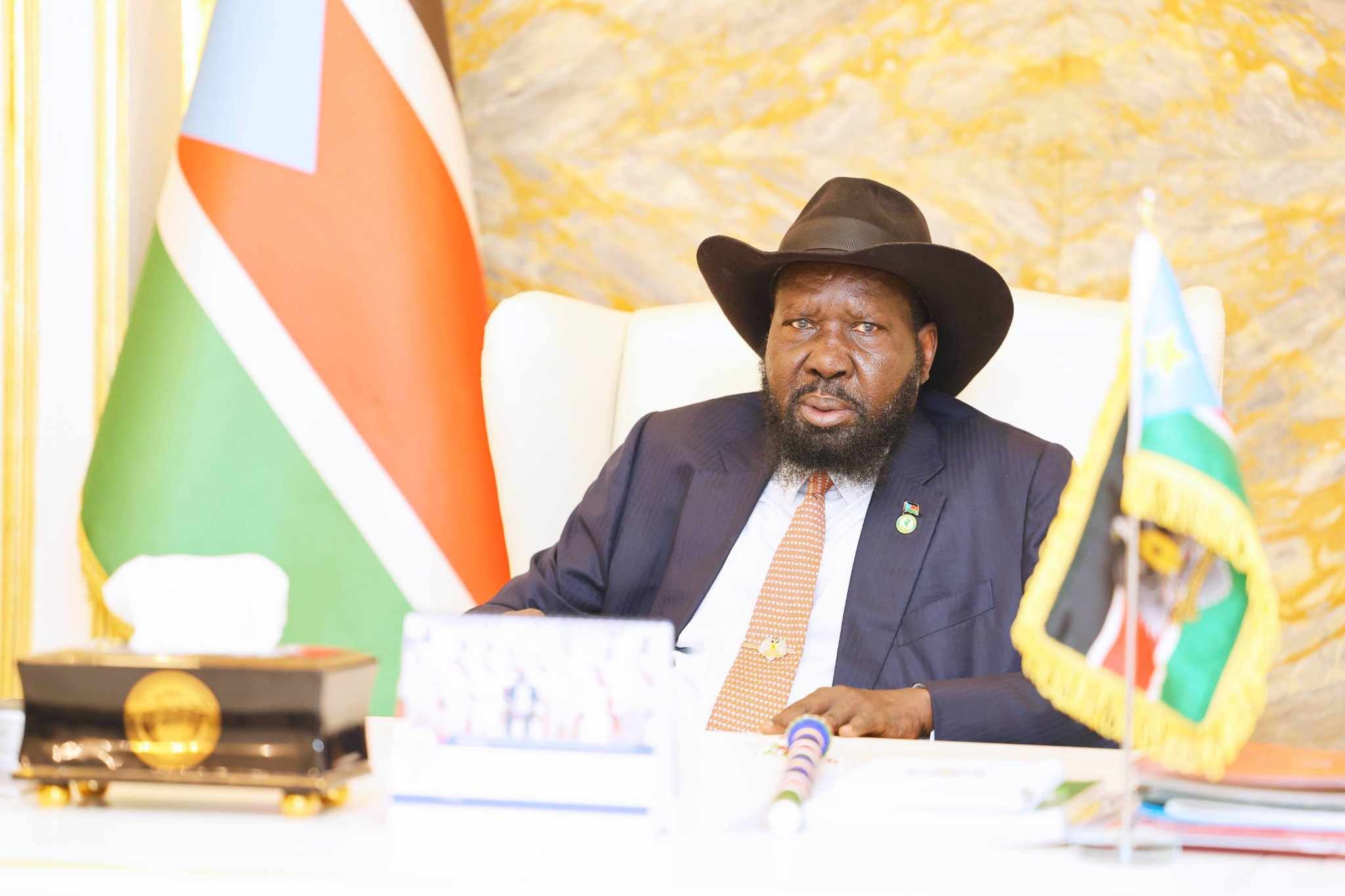
President Salva Kiir Mayardit has issued a series of presidential decrees reshuffling key economic and diplomatic officials, in a move that comes as the country grapples with deepening economic strain and ongoing efforts to stabilize the fragile peace process.
The decrees, read Saturday night on the state-run South Sudan Broadcasting Corporation, announced sweeping changes at the Ministry of Finance and the South Sudan Revenue Authority (SSRA), two institutions central to the country’s fiscal recovery.
President Kiir relieved Barnaba Bak of his duties as Minister of Finance and Planning. He also dismissed William Anyuol, Commissioner General of the SSRA, along with his deputy, Rou Ayii.
In the diplomatic corps, Monica Achol was removed from her position as Presidential Envoy to the Middle East.
In a notable development, Kiir reappointed Salvatore Garang Mabiordit as Minister of Finance and Planning. Mabiordit previously served in the same role before his replacement in 2020, during a period marked by currency instability and public sector salary delays.
The President also named Monydeng Abet as the new Commissioner General of the SSRA, with Solomon Arikappointed as Deputy Commissioner General.
No official reasons were provided for the changes.
The reshuffle comes at a critical time for South Sudan’s economy. The country continues to face high inflation, a weakening South Sudanese pound, rising commodity prices, and chronic revenue shortfalls largely tied to fluctuating oil production and global market volatility.
Oil exports remain the backbone of government revenue, but infrastructure disruptions and regional instability have periodically affected output and transit. Meanwhile, civil servants and security forces have experienced delays in salary payments, fueling public frustration.
The government has pledged fiscal reforms and improved non-oil revenue collection, placing renewed pressure on the leadership of the Finance Ministry and the SSRA to strengthen domestic resource mobilization.
The changes also unfold against the backdrop of the 2018 peace agreement aimed at ending years of civil conflict. While relative calm has held in much of the country, implementation of key provisions—including security sector reforms, permanent constitution-making, and preparations for national elections—has faced repeated delays due to funding constraints and political tensions.
Economic stability remains central to sustaining peace. Analysts argue that improved revenue management and transparent public finance systems are essential to restoring public trust and supporting the transitional roadmap.
The return of Mabiordit to the Finance Ministry may signal a policy recalibration as Juba seeks to stabilize the currency, boost revenue collection, and reassure international partners.
Observers say the effectiveness of the reshuffle will depend not only on leadership changes, but also on structural reforms, transparency in oil revenues, and stronger financial oversight mechanisms.
For now, the decrees underscore the mounting pressure on South Sudan’s economic managers as the government navigates a delicate balance between fiscal recovery and the demands of peace implementation