
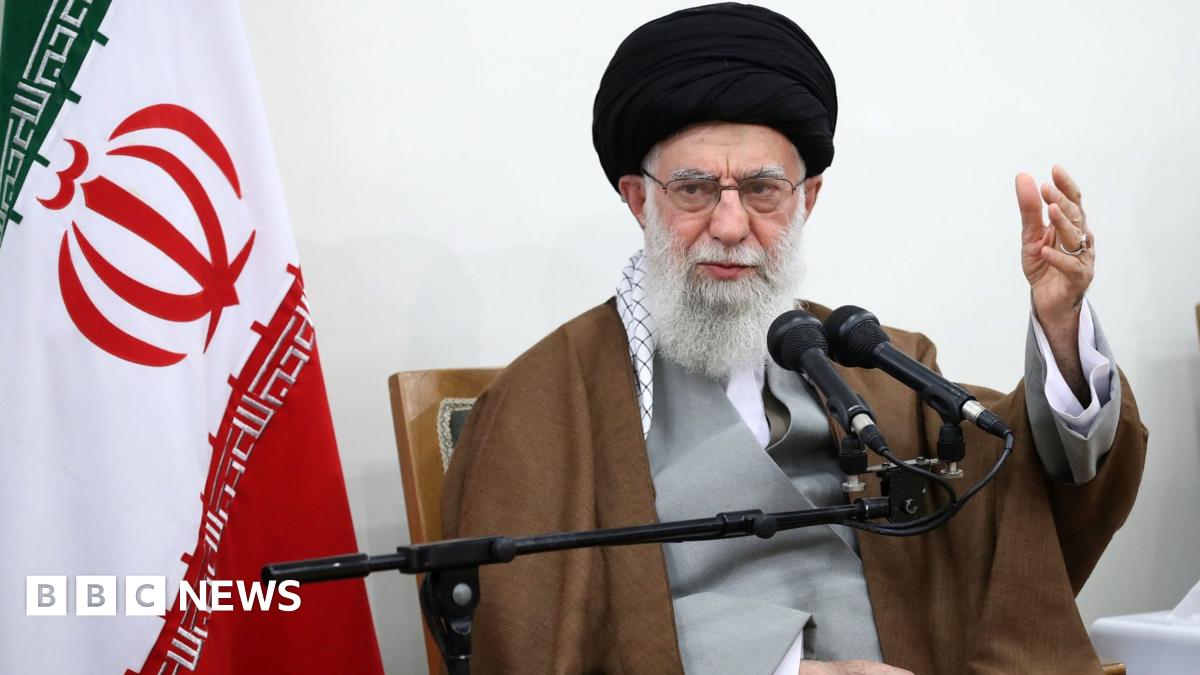
In a dramatic escalation of conflict in the Middle East, top global media and governments are reporting that Ayatollah Ali Khamenei the long-serving supreme leader of Iran has been killed in a large-scale military operation carried out by the United States and Israel.
This event marks one of the most significant geopolitical shocks in the region in decades, with deep consequences for peace and security both in the Middle East and far beyond.
According to multiple reports, coordinated air and missile strikes by the U.S. and Israel struck targets in Tehran and other parts of Iran.
Officials in Washington and Jerusalem said Ayatollah Khamenei was killed in the attacks, which were reportedly aimed at dismantling Iran’s top political and military leadership. Iranian state media and emergency services later confirmed the supreme leader’s death and announced a period of national mourning.
Iran’s leadership structure is deeply centralized, and Khamenei’s authority extended across politics, the military, religious institutions, and foreign policy. With him gone, Iran faces a leadership vacuum, and interim governance has been temporarily placed in the hands of top officials including the president and judiciary, while a formal successor is chosen.
Iran has long been a major player in Middle Eastern politics, backing various networks and allied groups in countries such as Lebanon, Syria, Iraq, and Yemen. Its influence has often been a counterweight to Western and Arab Gulf interests.
This kind of volatile environment can ripple outward, affecting global trade routes — especially oil supplies, which in turn affect fuel prices worldwide. Many African economies are sensitive to changes in global energy markets, so any disruption can hit prices at the pump and inflation at home.
African states may be called on to take positions in international forums like the United Nations, balancing relationships with Western powers, Middle Eastern states, and global security interests.
Escalation in the Middle East can indirectly influence migration patterns and security cooperation across the Red Sea, Horn of Africa, and the Sahel as nations react to new geopolitical pressures.
Some African countries have growing economic and military ties with Middle Eastern states developments there could reshape partnerships and investment flows.
The killing of a figure as powerful as Iran’s supreme leader is unprecedented in the region’s modern history and has thrown traditional power balances into uncertainty. Whether this leads to a larger war, a negotiated de-escalation, or internal transformation in Iran itself is still unfolding.
One thing is clear: peace in the Middle East now hangs in a delicate balance, and the ripple effects will be felt across continents, affecting economies, security, and international diplomacy. Analysts around the world warn that this moment could either accelerate conflict or open a new chapter toward change.