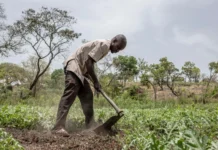


Senior Presidential Advisor Kuol Manyang Juuk has sparked widespread public debate after attributing South Sudan’s ongoing challenges to what he described as a culture of laziness rather than tribal divisions.
Speaking during a funeral service for a retired bishop in Juba on Monday, Gen. Kuol said the country is endowed with abundant natural resources and food, but many citizens are not making full use of what is available.
He argued that hunger and poverty persist not due to lack of resources, but because of unwillingness to work and negative attitudes toward certain locally available food sources. According to him, such conditions contribute to frustration, jealousy, and even criminal behavior.
The senior advisor further stated that violence in the country is often driven by competition over resources rather than tribalism alone, noting that conflicts frequently occur within the same communities and even among family members.
He called on citizens to change their mindset, embrace hard work, and make better use of available resources to improve their livelihoods and promote stability.
However, his remarks have drawn strong criticism from online users, particularly comments suggesting that people should consider alternative food sources such as frogs.
Many social media users argued that the statement overlooks the deeper structural challenges facing citizens, including persistent conflict, economic hardship, and political instability. They said these conditions limit opportunities for farming, business, and other productive activities.
Others highlighted economic concerns, noting that while employees in private companies and non-governmental organizations regularly pay taxes, many government workers—who form a significant portion of taxpayers—often go months without receiving salaries.
Critics questioned how civil servants are expected to meet tax obligations and support their families without consistent pay, calling on authorities to address salary delays and create a more enabling environment for economic productivity.
The online reaction reflects growing public frustration, with many urging leaders to focus on addressing systemic challenges affecting livelihoods rather than placing responsibility solely on citizens.