
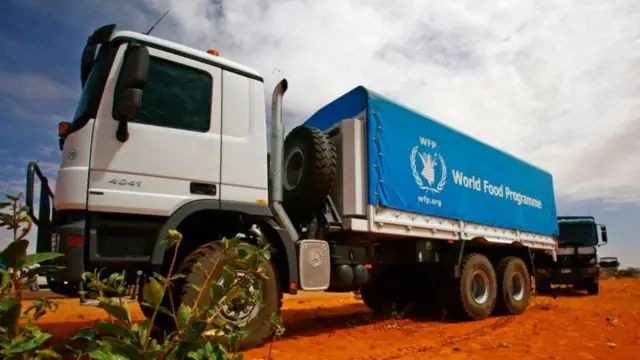
The United Nations World Food Programme (WFP) has suspended all humanitarian operations in Baliet County, Upper Nile State, following a series of armed attacks on a river convoy delivering life-saving food assistance. The agency is urging the Government of South Sudan to protect humanitarian workers and ensure the recovery of looted aid.
According to WFP, the attacks occurred between 30 January and 1 February, when a 12-boat convoy transporting more than 1,500 metric tons of food and essential non-food items was repeatedly ambushed by armed youth along the River Nile in Baliet County. The assaults took place despite prior security assurances from local authorities.
In a statement released on Monday, WFP strongly condemned the attacks, describing them as unacceptable and dangerous.
“Attacks on humanitarian workers and assets are never acceptable,” the agency said. “We call on all parties to respect humanitarian operations and to safeguard the personnel, facilities, and resources that make life-saving assistance possible.”
WFP said it will not resume activities in Baliet County until sufficient security guarantees are in place to protect its staff, partners, and contractors operating in the area.
The agency also raised serious concerns about deteriorating security conditions in Jonglei State, where recent fighting between government and opposition forces has damaged or destroyed critical humanitarian infrastructure, including warehouses and health facilities, in Akobo, Ayod, Nyirol, and Uror counties.
WFP warned that increasing insecurity and access restrictions could severely affect its ability to assist more than 4.2 million vulnerable people across South Sudan. As a result, plans to pre-position 12,000 metric tons of food in Jonglei ahead of the rainy season have been suspended.
The World Food Programme provides emergency food and nutrition assistance, school meals, resilience-building projects, and cash-based support to millions of people across South Sudan.
As the world’s largest humanitarian organization, WFP continues to call for respect for humanitarian space and the protection of aid workers delivering critical assistance to communities affected by conflict, displacement, and climate-related shocks.