

Uganda’s national elections have once again drawn regional attention, as political tensions inside the country spill across borders and affect neighboring South Sudan.
At the center of the contest is long-time President Yoweri Museveni, who has ruled Uganda since 1986 and is seeking to extend his leadership toward a four-decade mark in power.
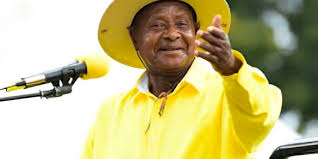
Challenging him is popular musician-turned-politician Robert Kyagulanyi, widely known as Bobi Wine, whose rise has energized Uganda’s youth and opposition supporters.
Bobi Wine has positioned himself as a symbol of generational change, calling for democratic reforms, economic opportunity, and an end to decades of one-man rule.
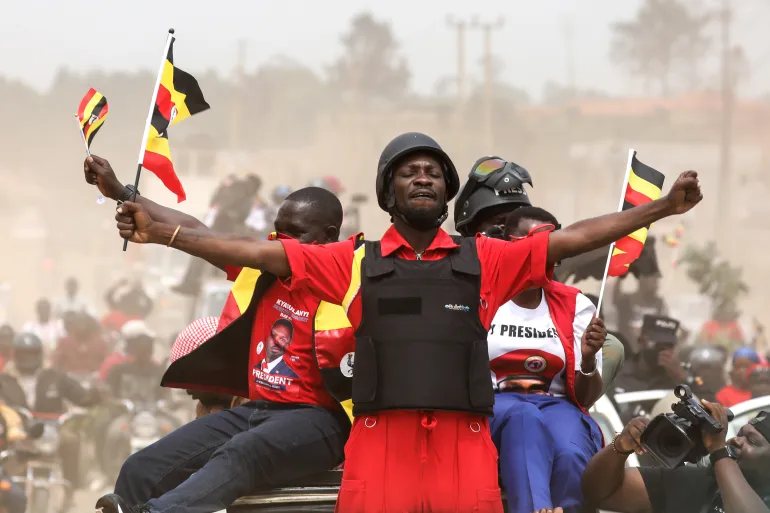
As tensions rise during the election period, Ugandan authorities have imposed internet shutdowns and social media restrictions, citing national security concerns and declared 15-16 January a public holiday. Critics argue that these measures limit freedom of expression, restrict access to information, and undermine the transparency of the electoral process.
The internet blackout has disrupted businesses, media reporting, and communication not only within Uganda but also for cross-border traders and families who rely on digital platforms to operate between Uganda and South Sudan.
South Sudan, which depends heavily on Uganda for food imports, fuel, construction materials, and consumer goods, has felt the economic impact of temporary border slowdowns and closures linked to election-related security measures.
Traders report delays at major crossings such as Nimule, leading to shortages and rising prices in South Sudanese markets. Transporters have expressed concern over insecurity, increased inspections, and uncertainty during the election period.
For South Sudan, where many goods travel exclusively through Uganda, any disruption in cross-border movement quickly translates into inflation and supply challenges, affecting ordinary citizens the most.
The Embassy of the Republic of South Sudan in Kampala has announced the temporary suspension of all cultural, social, and sporting activities involving South Sudanese communities living in Uganda. The decision comes amid heightened political tension surrounding Uganda’s ongoing election period.
In a statement issued by the embassy, the South Sudan Ambassador to Uganda said the measure is purely precautionary, aimed at reducing risks to South Sudanese nationals during a sensitive political time. The suspension affects football tournaments, cultural celebrations, music events, community meetings, and other large public gatherings traditionally organized by South Sudanese groups across Uganda.
“The decision is intended to reduce the exposure of South Sudanese citizens to any potential unrest or security incidents during the election period,” the ambassador said. “We are advising our people to remain calm, avoid large gatherings, and stay away from political activities.”
Uganda hosts hundreds of thousands of South Sudanese, including refugees, students, traders, and professionals. Many South Sudanese live in urban centers such as Kampala, Gulu, Arua, and Mbarara, where political activities and security operations are often intensified during elections.
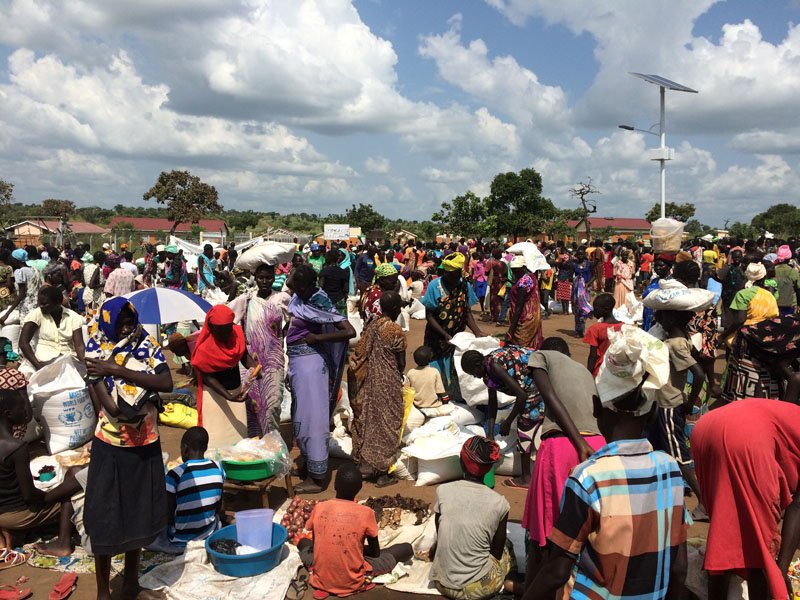
The embassy emphasized that South Sudanese citizens should respect Ugandan laws, avoid demonstrations, and limit unnecessary movement until the election period stabilizes. Community leaders have been asked to help spread the message and cooperate with local authorities.
The ambassador clarified that the suspension is temporary and will be lifted once the election period passes and the security situation returns to normal. The embassy remains in close contact with Ugandan authorities to monitor developments and ensure the safety and welfare of South Sudanese nationals.
The move highlights growing concerns among foreign missions in Uganda as the country navigates a tense electoral environment marked by security deployments, internet shutdowns, and political uncertainty.
For many South Sudanese in Uganda, the embassy’s directive underscores the importance of caution during the election period, while communities await a return to normal social and cultural life once stability is assured.
Uganda plays a key role in East African and regional security, including peacekeeping and mediation efforts in South Sudan. Political instability in Kampala therefore raises concerns beyond its borders.
Analysts warn that prolonged unrest, communication blackouts, or economic disruption could strain already fragile regional economies.
As Ugandans await election outcomes, citizens in South Sudan watch closely, hoping for a peaceful process that restores normal trade, open borders, and stable regional relations.
The outcome of Uganda’s election will not only shape the country’s political future but also influence economic stability and cross-border cooperation across East Africa.